



Our Mission
The Epidemiology Data Center (EDC) provides a research environment in which complex health questions can be explored and answered using the combined tools of biology and statistics. The EDC establishes collaborations with clinical researchers to design, conduct, and analyze multicenter randomized clinical trials and epidemiological studies. To contribute to the development of new knowledge, the EDC develops and refines data collection, data management, computing, and statistical methods, with the ultimate goal of advancing treatment and prevention of disease.
News



Our Research

Study of Women’s Health Across the Nation

Linking Investigations in Trauma and Emergency Services

Cognitive-Behavioral Therapy for Insomnia

Percutaneous Intervention Versus Observational Trial of Arterial Ductus in Low weight Infants
Collaborate
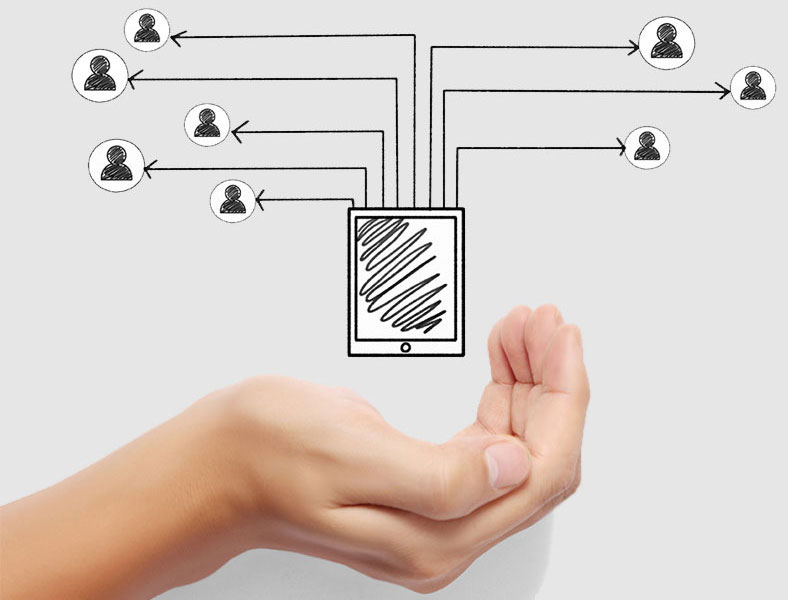
The Epidemiology Data Center collaborates with researchers from around the globe to design, implement, analyze, and present results from both large and small clinical research studies.
Collaborate
The Epidemiology Data Center collaborates with researchers from around the globe to design, implement, analyze, and present results from both large and small clinical research studies.
Collaborate
The Epidemiology Data Center collaborates with researchers from around the globe to design, implement, analyze, and present results from both large and small clinical research studies.
The Epidemiology Data Center (EDC) was established in 1980 as a section of the Department of Epidemiology in the Graduate School of Public Health (GSPH) and is recognized as an official University Center at the University of Pittsburgh. It was founded by Katherine M. Detre, M.D., Dr.P.H., and is under the co-direction of Maria Mori Brooks, Ph.D., Steven H. Belle, Ph.D. and Stephen R. Wisniewski, Ph.D.
The EDC has collaborated in over 100 research studies sponsored by the National Institutes of Health and other agencies. Presently, the EDC coordinates data management and analysis activities for 26 research projects sponsored by federal agencies as well as by industry. The current studies represent a variety of scientific designs including clinical trials, registries, and case control studies. The successful coordination of our research requires that we facilitate national and global communication among a number of institutions worldwide.
One of the main focuses of the EDC since its founding has been developing and refining standard information technology, data management and statistical procedures and models. Such procedures and models enable reduced and efficient start-up time on new projects, and promote a high degree of quality control for developed research.
Data Management
We believe that the primary role of Data Management is to define methods and utilize technology in a way that ensures the highest possible degree of integrity in our research.
Our Data Management teams work in close collaboration with other researchers from the time of study design through the analysis phase to ensure that data are collected correctly from the inception of a research study and to ensure that we are building in the highest degree of data integrity at every stage of the project lifecycle.
Data Management
We believe that the primary role of Data Management is to define methods and utilize technology in a way that ensures the highest possible degree of integrity in our research.
Our Data Management teams work in close collaboration with other researchers from the time of study design through the analysis phase to ensure that data are collected correctly from the inception of a research study and to ensure that we are building in the highest degree of data integrity at every stage of the project lifecycle.
Data Analytics
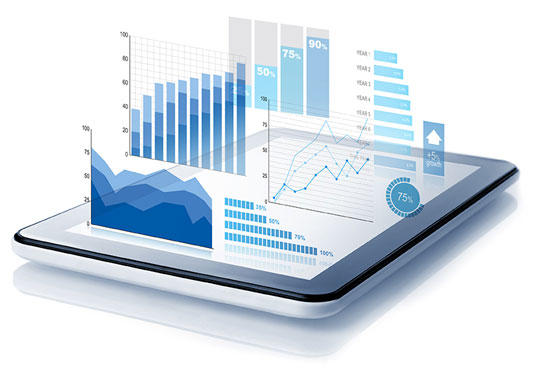
The Epidemiology Data Center (EDC) provides a research environment in which complex health questions can be answered using traditional and emerging statistical techniques.
To contribute to the development of new knowledge, the EDC develops and refines data analysis approaches in collaboration with scientists across the world, with the ultimate goal of advancing treatment and preventing disease.
Data Analytics
The Epidemiology Data Center (EDC) provides a research environment in which complex health questions can be answered using traditional and emerging statistical techniques.
To contribute to the development of new knowledge, the EDC develops and refines data analysis approaches in collaboration with scientists across the world, with the ultimate goal of advancing treatment and preventing disease.
Technology
The Epidemiology Data Center IT Group provides and supports an array of network and computing services for research initiatives throughout the University community.
These services are designed to provide our scientists with the most reliable and current environment to conduct their research.
Technology
The Epidemiology Data Center IT Group provides and supports an array of network and computing services for research initiatives throughout the University community.
 These services are designed to provide our scientists with the most reliable and current environment to conduct their research.
Technology
The Epidemiology Data Center IT Group provides and supports an array of network and computing services for research initiatives throughout the University community.
These services are designed to provide our scientists with the most reliable and current environment to conduct their research.

Who We Collaborate With
The Epidemiology Data Center works with institutions from around the world.

Katherine Detre Scholar
Established to supplement financial support provided through a Graduate Student Researcher position.

Employment
Find employment opportunities in various fields at the EDC.
Our Team
A variety of academic backgrounds and fields of expertise are
represented at the Epidemiology Data Coordinating Center.
 412-624-5447
 Email Us


Mailing Address
Epidemiology Data Center
University of Pittsburgh
4420 Bayard Street, Suite 600
Pittsburgh, PA 15260
Collaborate
Collaboration with other institutions has always been essential to our work. Please contact us for more information on how working with the EDC can benefit your organization. research@edc.pitt.edu